
Food and everyday life
Eating out: what to note when you do not know the recipe
Keep useful notes about a restaurant meal even when ingredients and quantities are uncertain, using the menu, your own portion and a photo.
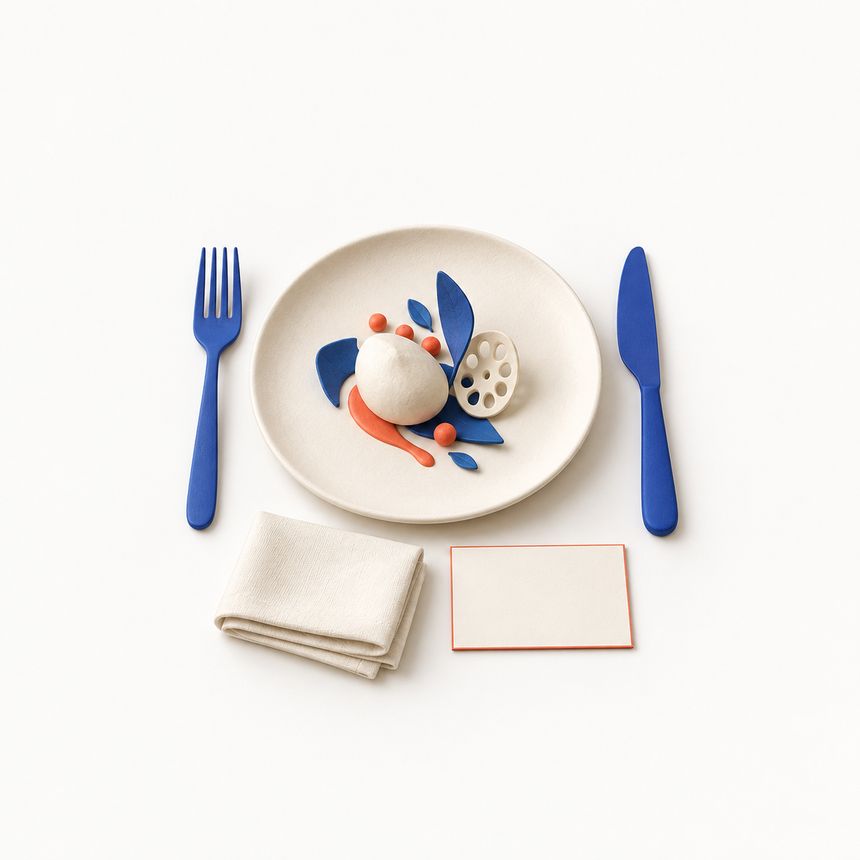
The menu says “house noodles.” The bowl arrives with a sauce you cannot identify, and partway through the meal you share some with a friend. You can still make a useful food diary entry without finding the complete recipe.
Keep the dish name, what you can describe and the information you do not have. A brief, honest note is easier to understand later than a precise-looking estimate whose source has been forgotten.
Start with the available menu information
Save the dish description or note its main ingredients while the menu is in front of you. Include the size ordered and any changes, such as a different side, extra sauce or an ingredient left out. If the restaurant publishes nutrition information, check that it refers to the item and size you ordered.
For covered establishments in the United States, FDA menu-labeling rules include access to written nutrition information for standard menu items. That does not mean every restaurant, or every country, follows the same rules. Ask what information is available rather than assuming the restaurant can provide an exact nutrient count for your plate.
A customized dish may differ from the standard menu item. Keep the published information with a note about your changes; do not silently treat the two versions as identical.
Describe the food you actually ate
The restaurant’s serving and your portion can differ. CDC explains this serving-versus-portion distinction. It matters when food is shared, something is left over or several small plates arrive over time.
Describe your own share as well as you can: “about half the bowl,” “two pieces from the shared plate,” or “left some noodles.” If the amount is uncertain, say so. You do not need to invent a weight for food you did not weigh.
Include drinks, sides and additions that would otherwise be easy to miss. If several dishes arrive at different times, a short note about the sequence may help you remember the meal. Use the actual times you know and mark approximate times as approximate.
Let the photo do a specific job
A photo can preserve the appearance of the dish and remind you what was served. Take one of your own plate if possible. A photograph of the whole table may not show which food was yours.
Add anything the camera missed: a refill, sauce mixed in later, or a portion passed to someone else. You can also note that the picture was taken before you ate only part of the serving. The meal photo guide has more examples of useful notes.
An entry might read: “13:20, house noodles, medium bowl; shared roughly a third; sauce ingredients unknown; water.” That records the meal without pretending to know the recipe or every gram eaten.
Keep estimates recognizable in the diary
Glucose and Blood Sugar Track’s free food diary and meal photos let you keep the description and visible context together. If you use its optional Premium AI Food Scan, review the suggested foods and quantities against what you ordered. A photo estimate cannot confirm a sauce’s ingredients or how much oil was used in the kitchen.
Use the menu or package as the source when it provides information about the exact item, and preserve any relevant uncertainty. The food-label guide explains how to keep the reference serving attached to copied nutrient values.
Later, read the entry as a description of one meal. If you bring it to a care-team discussion, your note can explain what you knew and what was missing. You can discuss the meal without having to reconstruct it from memory.
A personal tracking tool, not a medical device. The app does not measure blood sugar or provide medical advice. Review scanned values and food estimates before saving.
Download on the App Store
How to log meals from a batch of home cooking
Keep one batch of home cooking connected to the portions you actually ate, with useful ingredient notes and clear limits on estimates.
↗
A food diary that keeps the useful details
Record meals without turning eating into a scorecard. Keep useful food, portion and timing notes to discuss alongside your glucose records.
↗
Meal photos: what to capture and what a picture misses
Use meal photos as memory aids, add useful portion notes, and understand why a nutrition estimate cannot see every ingredient.
↗